Home / Guides / Swedish death cleaning
The art of less
Swedish death cleaning (döstädning): a gentle guide to clearing the way
The name sounds grim. The practice is the opposite. Swedish death cleaning is one of the most loving, level-headed things a person can do for their family, and it has very little to do with cleaning.
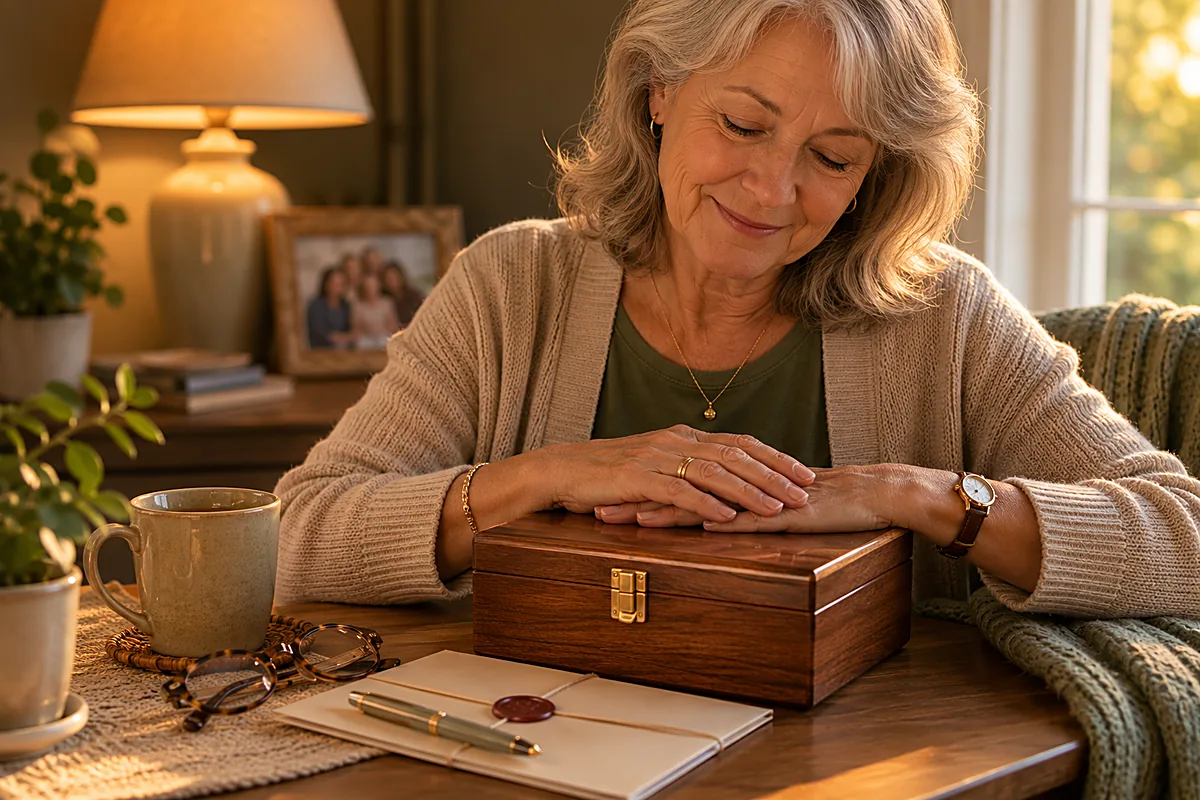
In one sentence: Döstädning, or Swedish death cleaning, is the unhurried practice of clearing your own belongings and affairs later in life so the people you love are not left to do it for you, in grief, after you are gone.
The word comes from the Swedish dö, meaning death, and städning, meaning cleaning. It was carried into the wider world by Margareta Magnusson in her book The Gentle Art of Swedish Death Cleaning, written when she was, in her own words, "somewhere between eighty and one hundred." Her tone is the whole point: dry, warm, entirely un-morbid. She is not asking you to dwell on dying. She is asking you to be considerate about the mess.
Why a culture made a word for this
Anyone who has cleared out a parent's home knows the particular exhaustion of it. Forty years of a life in cardboard boxes. Drawers of keys that open nothing. A garage you need a weekend and a skip to empty. And underneath the physical stuff, the worse layer: the bank you did not know they used, the insurance policy you hope exists, the password to the laptop with all the photos.
You do it while grieving, often with siblings, often while making a hundred small decisions about objects that are not yours. It is one of the quiet reasons grief drags on for months. The Swedes, sensibly, decided this was a burden worth removing in advance, on purpose, by the only person who actually knows what all of it means: you.
It is not minimalism, and it is not KonMari
Death cleaning gets lumped in with tidying trends, but it is a different animal. The distinction matters, because it changes what you keep and why.
| Decluttering / minimalism | Swedish death cleaning | |
|---|---|---|
| Who it is for | You, and your space today | The people who handle your things later |
| The question | "Does this spark joy for me?" | "Will this be a gift or a burden to someone else?" |
| Pace | A weekend project, often intense | Slow, over months or years, no rush |
| Includes paperwork? | Rarely the focus | Yes, and it matters most |
| Emotional tone | Fresh start, control | Care, consideration, letting go |
Magnusson's test is not whether an object pleases you. It is whether it will quietly become someone else's problem. A box of cables, a third set of dishes, the treadmill that became a coat rack: keep them if they serve you, but know that every one you leave is a decision you have handed to your children to make without you.
How to start, without it feeling like an ending
The practice is forgiving by design. There is no checklist to finish and no deadline. A few principles make it easier to begin.
Start with the easy, impersonal things. The garage, the linen closet, the kitchen gadgets. Save the photographs and the letters for last; they are the slowest and the most tender, and you want momentum before you reach them.
Tell someone you are doing it. Death cleaning is meant to be social, not secret. Invite a daughter to take the dishes she always liked. Let a friend walk away with the tools. Giving things away while you are alive to see them enjoyed is the warmest part of the whole exercise.
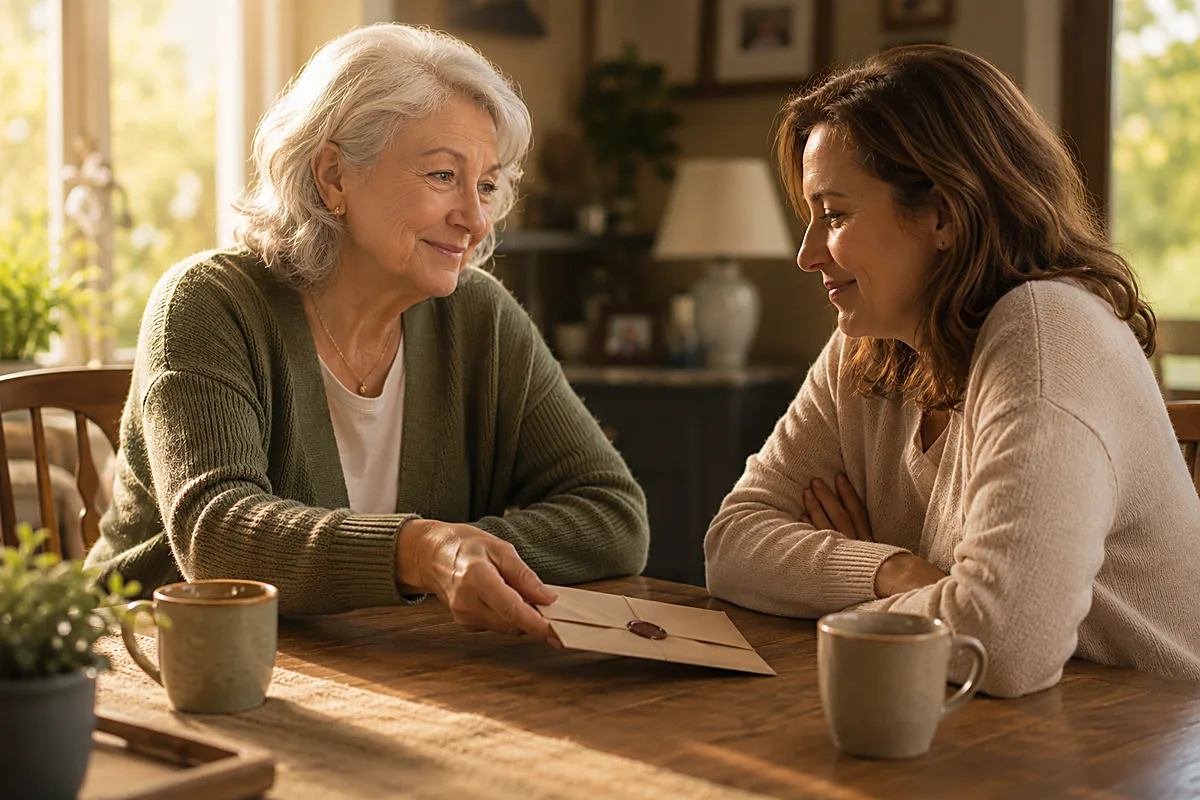
Keep a "throw away" box for your eyes only. Magnusson's own advice: a small box of things that matter only to you, old love letters, a diary, that you label clearly so your family knows they can discard it unread. Privacy and consideration in one move.
Go at the speed of your life. A shelf on a Sunday. A drawer while the kettle boils. This is not a race against anything, and treating it like one misses the point.
The clutter no amount of cleaning fixes
Here is the part most articles on death cleaning skip, and it is the most important. You can empty every closet in the house and still leave your family the hardest mess of all: the invisible one.
Because the things that truly trap a grieving family are not physical. They are informational. Where is the will. What is the phone passcode. Which bank, which insurer, which pension. Who needs to be told. What did you want for your own funeral. None of that lives in a drawer you can clear out. It lives in your head, and a tidy house does nothing to pass it on.
This is the natural completion of döstädning, and the step people most often forget. After you have cleared the objects, you clear the questions, by writing the answers down in one place. That is the entire idea behind The Final File: a single fill-in folder that holds the documents, accounts, passwords location, and wishes, so the information is as cleared and cared-for as the closets.
Finish the job the closets cannot
The Final File is the paperwork half of death cleaning, done in an afternoon. One folder with every document, account, and wish, so your family inherits answers instead of a search.
Get the planner $29The real reason to do it
People hear "death cleaning" and brace for something heavy. What surprises almost everyone who tries it is how light it feels. There is a strange freedom in owning less, in knowing exactly what you have, in watching a grandchild walk off with the chair you no longer need. And underneath that, a deeper relief: the knowledge that when your time comes, the people you love will be free to simply miss you, instead of spending their grief sorting through forty years of your decisions.
That is not morbid. That is one of the kindest gifts a person can leave. Magnusson put it plainly: death cleaning is not sad. It is a relief, and often a joy, to make life easier for the people who will remember you.
Concepts drawn from Margareta Magnusson's The Gentle Art of Swedish Death Cleaning (2017) and reporting on the practice by the BBC.
Common questions
Is Swedish death cleaning only for old people?
No. While it is often associated with later life, the idea works at any age, especially after a downsize, a move, or losing someone yourself. Younger people increasingly apply it to digital clutter and paperwork as much as belongings.
Doesn't it feel depressing to think about?
Most people report the opposite. Done slowly and on your own terms, it tends to feel calming and even joyful, because it is an act of care rather than a confrontation with mortality.
What is the single most useful thing to "clean"?
The information. Belongings can be donated or discarded by anyone. But only you know where your documents, accounts, and wishes are. Writing those down is the highest-value hour of the whole process.